iv therapy for skin glow: ingredients, expectations, and safety checklist
Explore iv therapy for skin glow with practical guidance, key questions, and clear next steps before you contact Pure Drip or make a decision.
By Damanpreet Kaur
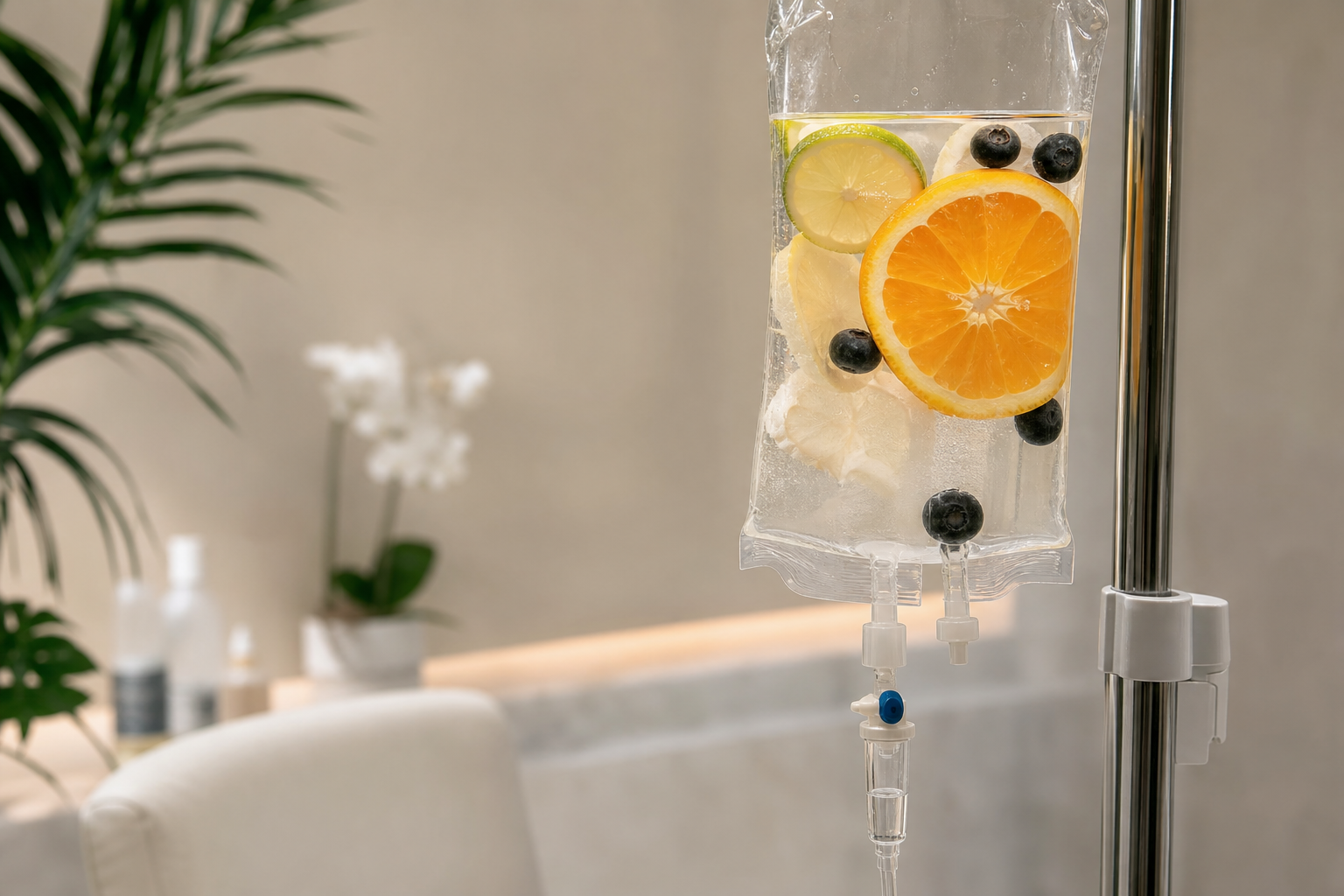
iv therapy for skin glow: ingredients, expectations, and safety checklist
Thinking about iv therapy for skin glow? This overview explains what the treatment involves, the ingredients commonly used in wellness settings, what a typical session may look like, potential risks, and practical questions to ask before booking. Because IV infusions introduce substances directly into the bloodstream, it’s important to understand benefits and limitations. This article is for general information only and is not medical advice. For personalized guidance, speak with a qualified healthcare professional.
What is iv therapy for skin glow?
IV (intravenous) therapy delivers fluids and selected nutrients directly into your bloodstream via a small catheter placed in a vein. When used with a “skin glow” goal, drips typically combine hydration with vitamins, minerals, and antioxidants associated with skin support. The idea is to bypass digestion, achieving rapid systemic availability of ingredients. People pursue this approach for a temporary refreshed look or to complement broader wellness routines. Evidence for skin-specific outcomes varies by ingredient and individual, and results are not guaranteed.
- Method: Infusion of sterile fluids and selected nutrients through a peripheral vein.
- Goal: Support overall hydration and provide nutrients linked to skin appearance.
- Scope: A wellness-focused service, not a substitute for medical diagnosis or dermatologic care.
How it may support skin appearance
Several mechanisms are commonly discussed when people consider iv therapy for skin glow. While individual responses differ and research is evolving, the following general concepts are often cited:
- Hydration: Adequate fluid status supports skin turgor and may reduce the appearance of dryness or dullness in the short term.
- Antioxidant support: Nutrients with antioxidant properties can help the body counter oxidative stress, which is one factor that can affect skin over time.
- Nutrient repletion: If someone is low in certain water-soluble vitamins, repleting them may support normal physiological processes involved in skin maintenance.
It’s important to keep expectations grounded. A single session is unlikely to replace consistent skincare, sun protection, nutrition, and sleep. Many people pair IV sessions with a broader routine rather than viewing them as a standalone fix.
Common ingredients and their roles
Formulations for iv therapy for skin glow vary. Here are ingredients frequently found in wellness-focused drips and the roles they are commonly intended to play. Not every formula includes all items, and suitability depends on personal health factors.
- Balanced IV fluids (e.g., saline): Address hydration status and provide a base for other ingredients.
- Vitamin C: A well-known antioxidant that supports normal collagen formation and protects against oxidative stress.
- B-complex (e.g., B1, B2, B3, B5, B6) and B12: Water-soluble vitamins that support cellular energy metabolism and normal skin function.
- Glutathione: An endogenous antioxidant used in some wellness settings for oxidative balance. Practices vary on whether it’s given during or after a drip.
- Minerals (e.g., magnesium, zinc): Support normal enzyme function and skin integrity; inclusion depends on the specific protocol.
- Biotin: Sometimes included in beauty-focused regimens; evidence for IV use specifically is limited.
Ingredient selection, dosing, and combinations should be individualized by a qualified professional who can review health history, medications, and goals. If you have a known sensitivity or allergy to any component, disclose it before any infusion is prepared.
Who might consider it—and who should avoid
People are often interested in iv therapy for skin glow when they want time-efficient hydration and a curated mix of nutrients as part of a general wellness plan. However, IV therapy is not appropriate for everyone. The following considerations are not exhaustive; always consult a healthcare professional.
- Might consider: Adults seeking hydration support and antioxidant-focused nutrients as a complement to healthy habits.
- Use extra caution or avoid unless medically cleared:
- Those with kidney, heart, or liver conditions that affect fluid or electrolyte handling.
- People with G6PD deficiency (relevant when high-dose vitamin C is considered).
- People with active infections or skin issues at potential IV sites.
- Those who are pregnant or breastfeeding should seek medical guidance before any infusion.
If you have a medical condition or take prescription medications, clear any IV therapy with your physician to minimize risks and interactions.
What to expect before, during, and after a session
Processes differ by provider, but many IV wellness sessions follow a similar flow:
- Pre-session screening: A health questionnaire and brief consultation to review goals, medications, allergies, and relevant history.
- Preparation: Verification of identity and chosen formulation; an explanation of the procedure, potential side effects, and consent.
- IV placement: A trained professional places a small catheter in a peripheral vein (often in the forearm or hand) using sterile technique.
- Infusion: Fluids and nutrients are delivered over a set period, commonly 30–60 minutes, though timing can vary.
- Monitoring: Comfort and vital signs may be observed; report any burning, dizziness, or unusual symptoms promptly.
- Post-session: The catheter is removed, pressure is applied, and aftercare is reviewed. Some people return to normal activities the same day.
Aftercare tips typically include keeping the site clean and dry for a period, watching for redness or swelling, staying hydrated, and avoiding strenuous activity with the infused arm immediately after the session.
How often—and when might you notice changes?
Perceived changes vary widely. Some people report feeling more refreshed or noticing a temporary glow within hours to a couple of days, particularly when hydration was a limiting factor. For nutrient-focused goals, responses may depend on baseline status and overall routine.
- Single session: May offer short-term hydration benefits; visible changes, if any, are typically subtle and temporary.
- Series approach: Some opt for periodic sessions. Frequency should be individualized and medically reviewed to avoid unnecessary or excessive infusions.
- Sustaining results: Sun protection, consistent skincare, nutrition, sleep, and stress management have the most durable impact on skin over time.
No protocol can guarantee visible skin changes. A measured, safety-first plan aligned with your health profile is the priority.
Potential risks and side effects
Any IV procedure carries risks. Understanding them helps you make an informed choice and recognize when to seek help.
- Local site issues: Bruising, redness, tenderness, or vein irritation.
- Infection risk: Reduced by sterile technique but not eliminated.
- Fluid or electrolyte imbalance: Particularly relevant for people with certain medical conditions.
- Allergic reactions: From mild itching to severe reactions; disclose all allergies and monitor closely.
- Lightheadedness or nausea: Can occur during or after an infusion.
If you experience fever, increasing pain, spreading redness, shortness of breath, chest pain, or any concerning symptoms after a session, seek medical attention promptly.
Questions to ask before booking
Use this checklist to evaluate whether iv therapy for skin glow fits your needs and to assess provider practices:
- What screening do you perform to ensure the formulation is appropriate for me?
- Who will place the IV, and what is their training and credentialing?
- What sterile techniques and single-use supplies do you follow?
- What ingredients and doses are included, and why were they chosen?
- How long will the infusion take, and how will I be monitored?
- What side effects should I watch for during and after, and how are adverse reactions handled?
- How often do you recommend sessions, and what criteria guide that recommendation?
- Are there any interactions with my medications or health conditions?
- What aftercare instructions will I receive, and whom do I contact with concerns?
Alternatives and complements to IV therapy
If your primary goal is healthy-looking skin, consider building a well-rounded plan. IV therapy, if chosen, is typically a complement rather than a core solution.
- Daily skincare basics: Gentle cleanser, moisturizer suited to your skin type, and broad-spectrum sun protection.
- Topical actives: Ingredients like vitamin C serums, retinoids, or niacinamide—discuss with a skincare professional.
- Nutrition and hydration: A balanced diet rich in fruits, vegetables, adequate protein, and regular water intake supports overall skin health.
- Sleep and stress: Quality sleep and stress management help maintain skin’s appearance.
- Targeted medical care: For persistent concerns (e.g., acne, dermatitis, pigmentation), consult a dermatologist for evidence-based treatments.
FAQ: iv therapy for skin glow
Does iv therapy for skin glow actually work?
Some individuals report looking or feeling more refreshed after hydration-focused infusions, and antioxidants are biologically plausible supports for oxidative balance. However, visible skin changes vary and are not guaranteed. Results depend on your baseline hydration, overall routine, and the specific formulation. For medical skin conditions, seek diagnosis and treatment from a qualified professional.
How long do potential effects last?
Hydration-related changes, if noticed, are typically short-lived (days). Any nutrient-related benefits depend on your baseline status and ongoing habits such as sun protection, skincare, diet, and sleep. Consistency in those fundamentals usually has the most enduring impact.
Is vitamin C or glutathione better for glow?
They serve different roles. Vitamin C supports normal collagen formation and acts as an antioxidant; glutathione is a key intracellular antioxidant. Preferences vary by individual goals and health profile. A professional can review your history, medications, and sensitivities and recommend an approach—or alternatives—aligned with your needs.
Can IV therapy lighten skin?
Claims about skin lightening are controversial and may not be supported by robust clinical evidence for IV use. Safety and legality considerations also vary by region and product. If pigmentation is a concern, consult a dermatologist for evaluated options such as topical agents, sun protection strategies, and procedural treatments.
How should I prepare for a session?
Eat a light meal, drink water unless instructed otherwise, wear clothing with easy arm access, bring a current medication/allergy list, and plan low-intensity activities afterward in case you feel tired. Follow any specific pre-care guidance provided by the practitioner.
Next step
Medical disclaimer: This article is for general informational purposes only and does not constitute medical advice, diagnosis, or treatment. Always consult a qualified healthcare professional about your specific health questions and before starting or changing any wellness or infusion therapy.