A Practical Guide to Halifax Post Workout Hydration
Explore halifax post workout hydration with practical guidance, key questions, and clear next steps before you contact Pure Drip or make a decision.
By Damanpreet Kaur
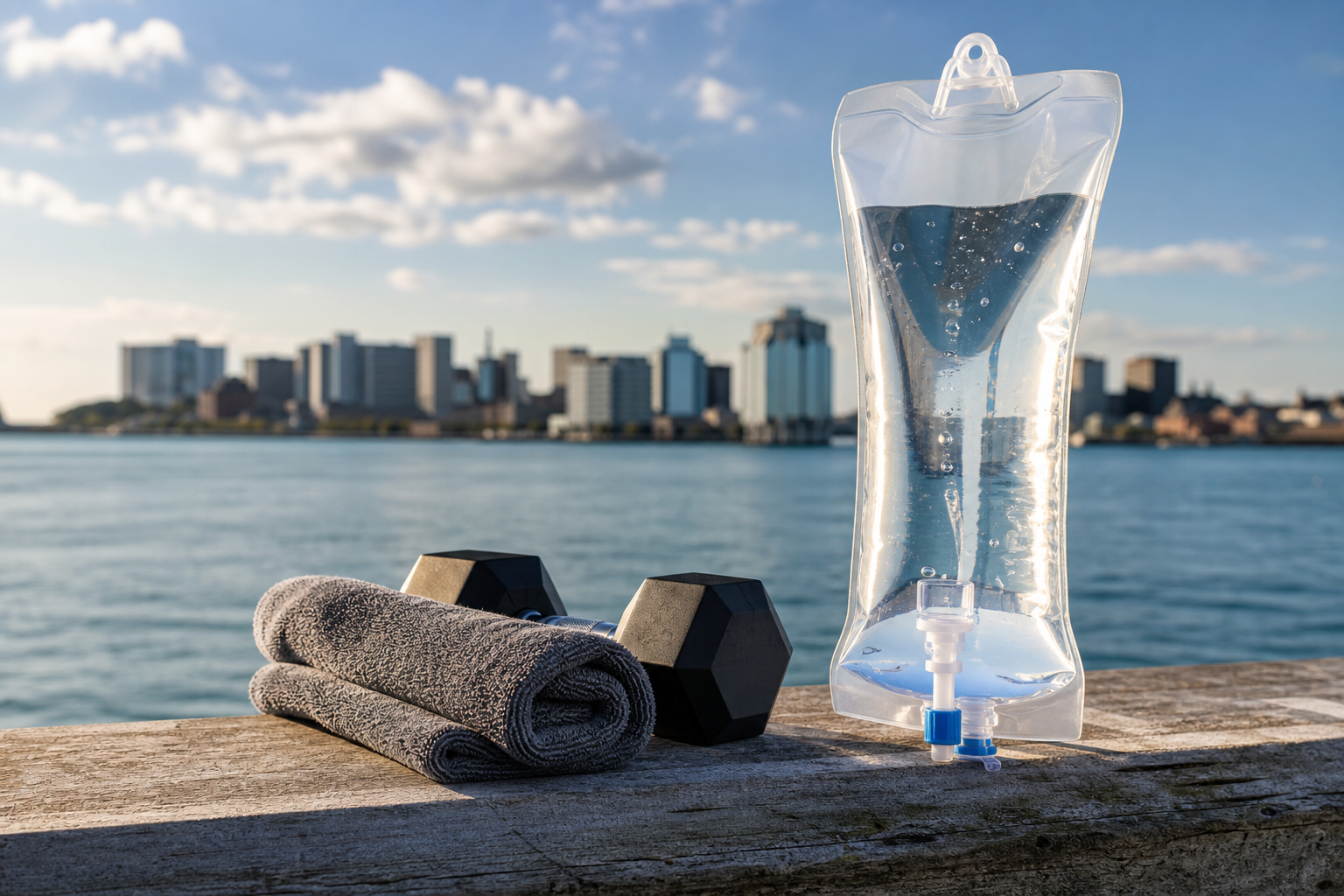
A Practical Guide to Halifax Post Workout Hydration
Finishing a workout is only half the story of performance and recovery—the other half is what you do next. Post-workout hydration helps restore fluid balance, supports circulation and temperature control, and sets the stage for your next session. This practical guide breaks down exactly what to drink, when to drink it, and how to adjust for intensity, sweat rate, and personal goals—so you can build a routine that works in Halifax or wherever you train.
Why hydration matters after exercise
During exercise, you lose fluid through sweat and respiration. Even modest fluid losses can nudge your heart rate higher, slow your pace, and leave you feeling foggy afterward. Rehydrating post-workout helps:
- Restore plasma volume so your cardiovascular system doesn’t work overtime after you stop moving.
- Support temperature regulation and reduce feelings of overheating.
- Maintain joint and tissue lubrication to move comfortably the rest of the day.
- Replace electrolytes that help your muscles fire and relax efficiently.
Hydration is not only about water. Electrolytes—especially sodium—help you retain the fluid you drink and re-establish normal nerve and muscle function after training.
How much to drink and when
If you prefer a simple rule of thumb, start here:
- In the first 30 minutes after finishing: aim for 350–500 ml (12–17 oz) of fluids, sipping steadily.
- Over the next 2–3 hours: add 750–1,000 ml (25–34 oz) more, adjusting to thirst and urine color.
That said, individual needs vary. A more personalized approach uses change in body mass as a proxy for sweat loss:
- Weigh yourself before and after a typical workout (same clothing, towel off sweat). Every 0.5 kg (1 lb) lost ≈ 450–700 ml (15–24 oz) of fluid deficit.
- Replenish about 125–150% of the weight lost over the next 4 hours. Example: If you drop 1 lb, plan 20–36 oz total during that window.
Listen to your body as you rehydrate. Comfortable, steady sipping beats chugging, which can lead to sloshing or extra bathroom trips without improving fluid status.
Electrolytes: when water is not enough
For short, light sessions, water alone is often fine. As duration, heat exposure, or intensity increase, electrolytes become more important—particularly sodium, which you lose in sweat.
Consider adding electrolytes post-workout if any of these apply:
- Training exceeds 60–75 minutes, or includes long intervals/tempo work.
- Noticeable salt marks on clothing, stinging eyes, or a “salty” taste on skin.
- Cramping history during or after training.
- Urine stays relatively clear after large volumes of water (possible over-dilution).
Practical options include:
- Electrolyte tablets or powders mixed into water (choose light flavoring if sweetness turns your stomach post-exercise).
- Foods with sodium and potassium alongside fluids—for example, a broth-based soup with crackers, or a simple sandwich plus fruit.
Note: If you have a medical condition requiring fluid or electrolyte restriction, or you take medications influenced by sodium or potassium, speak with a qualified healthcare professional before modifying your routine.
The post-workout hydration checklist
Use this quick list right after you rack the weights, finish your last rep, or step off the treadmill:
- Pause for a minute: Let your heart rate come down and take a few easy breaths.
- First sips (0–10 minutes): 150–250 ml (5–8 oz) of cool water or a light electrolyte drink.
- Electrolyte decision: If you trained hard, long, or sweat heavily, mix in electrolytes for your next bottle.
- Snack with sodium and carbs (10–45 minutes): Pair fluids with something salty + a carbohydrate source.
- Keep sipping (45–180 minutes): Another 500–1,000 ml (17–34 oz) based on thirst and urine color.
- Check-in (2–3 hours): Urine should be light straw-colored. If it’s dark, keep sipping and add a pinch of sodium with food.
Fueling rehydration: smart carbs and sodium
Carbohydrates help restock muscle glycogen, and a modest amount of sodium helps your body hold onto the fluids you drink. Simple, convenient pairings include:
- Water or electrolyte drink + banana and a small handful of pretzels.
- Chocolate milk (if tolerated) + toast with nut butter and a light sprinkle of salt.
- Greek yogurt + granola + a glass of water with electrolytes.
- Broth-based soup + crusty bread and a piece of fruit.
Protein supports muscle repair, so feel free to include it in your post-workout meal or snack. The key is pairing fluids with sodium and carbs so water doesn’t just pass through quickly.
Recognizing and addressing dehydration
Common post-workout dehydration signs include:
- Dry mouth, headache, dizziness, or feeling unusually fatigued.
- Muscle cramps or a “heavy legs” sensation.
- Dark yellow urine hours after finishing.
What to do:
- Sip 250–500 ml (8–17 oz) of an electrolyte-containing drink over 20–30 minutes.
- Have a salty snack with easy-to-digest carbs.
- Rest in a cool area and reassess in 30–60 minutes.
If you experience severe symptoms such as confusion, persistent vomiting, fainting, or inability to keep fluids down, seek medical attention. This article provides general information and isn’t a substitute for care from a qualified professional.
Hydration for different workouts
Your plan should match your session. Here are straightforward frameworks you can apply and adjust:
Strength sessions (30–75 minutes)
- Immediate: 250–350 ml (8–12 oz) of water.
- Next 1–2 hours: another 500–750 ml (17–25 oz), plus a protein- and carb-containing snack. Add electrolytes if you sweat heavily or the gym is warm.
HIIT or circuits (20–45 minutes, high intensity)
- Immediate: 300–500 ml (10–17 oz) with electrolytes.
- Next 1–2 hours: 500–750 ml (17–25 oz) more, paired with a salty snack and carbs.
Endurance training (60–120+ minutes)
- Immediate: 400–600 ml (14–20 oz) with electrolytes.
- Next 2–3 hours: 750–1,250 ml (25–42 oz) more, titrated to thirst and urine color, along with a carbohydrate-rich meal.
Mixed training days (two-a-days)
- Build a bridge: After the first session, prioritize sodium and carbs with 500–750 ml (17–25 oz) in the first hour so you start session two in a better state.
How to tailor hydration to you
Everyone’s sweat rate, sweat sodium concentration, and stomach comfort thresholds differ. Refine your plan over a few weeks using these steps:
- Track the basics for 5–7 sessions: session type, duration, perceived heat, fluids consumed, electrolyte use, and how you felt 1–3 hours later.
- Weigh before and after 2–3 representative workouts to estimate your sweat loss. Use the 125–150% replacement guideline to set targets.
- Experiment with timing: Some people do better starting fluids 5 minutes after finishing; others are more comfortable 15–20 minutes later.
- Adjust sodium: If you’re drinking a lot but still feel “flat,” try adding electrolytes post-workout and with your next meal.
- Check the signals: Light straw-colored urine and steady energy the rest of the day suggest your target is close.
Hydration mistakes to avoid
- Chugging large volumes quickly, then needing frequent bathroom breaks—aim for steady sipping instead.
- Ignoring sodium after heavy sweat sessions—water alone may not restore balance.
- Skipping carbs post-workout—fluids absorb and “stick” better with sodium and carbohydrate.
- Judging hydration only by thirst—use multiple cues, including urine color and how you feel.
- Relying exclusively on sweet sports drinks if they upset your stomach—use lighter flavor options, lower concentrations, or real-food sodium sources.
Simple seven-day reset
If your current routine feels inconsistent, try this one-week reset to build momentum:
- Day 1: Measure a typical bottle or shaker you use. Know its exact volume.
- Day 2: Add 250–350 ml (8–12 oz) of fluids within 10 minutes of every workout.
- Day 3: Pair those fluids with a salty + carb snack.
- Day 4: Introduce electrolytes after medium-to-hard sessions.
- Day 5: Track urine color at two checkpoints: 60 minutes and 180 minutes post-workout.
- Day 6: Weigh pre- and post-workout once to estimate sweat loss.
- Day 7: Review your notes and set a go-forward target for fluid and electrolyte intake based on how you felt.
Halifax post-workout hydration FAQ
How do I know if I need electrolytes after a workout?
If you trained longer than about an hour, finished a high-intensity session, noticed salt marks on clothing, experienced cramping, or feel like water “goes right through” you, adding sodium is often helpful. Start with a lightly flavored electrolyte drink or include salty foods with your fluids. If you have medical conditions that affect electrolyte balance, consult a qualified professional before making changes.
Is clear urine right after a workout a good sign?
Not necessarily. Very clear urine immediately after chugging water may reflect dilution rather than adequate rehydration. Aim for light straw color within 2–3 hours, supported by steady energy and no headache.
What’s the best first drink after training?
The best choice is the one you can comfortably sip right away. Cool water works for short or easy sessions. For longer or harder workouts, consider water with electrolytes to replace sodium and help retain fluids. Pairing your drink with a small, salty carbohydrate snack can improve overall rehydration.
Should I drink a sports drink or make my own?
Either can work. Commercial options are convenient and consistent. A simple DIY approach is water plus a squeeze of citrus, a small pinch of salt, and a touch of sugar or honey to taste. Choose what sits well in your stomach and is easy to repeat.
Can I overdo hydration after a workout?
Yes. Overhydration can dilute electrolytes, which may leave you feeling off or increase bathroom trips without improving recovery. Avoid chugging large volumes quickly; sip steadily, include sodium, and watch urine color and how you feel.