glutathione drip for glow: what it is, what to ask, and how to decide
Explore glutathione drip for glow with practical guidance, key questions, and clear next steps before you contact Pure Drip or make a decision.
By Damanpreet Kaur
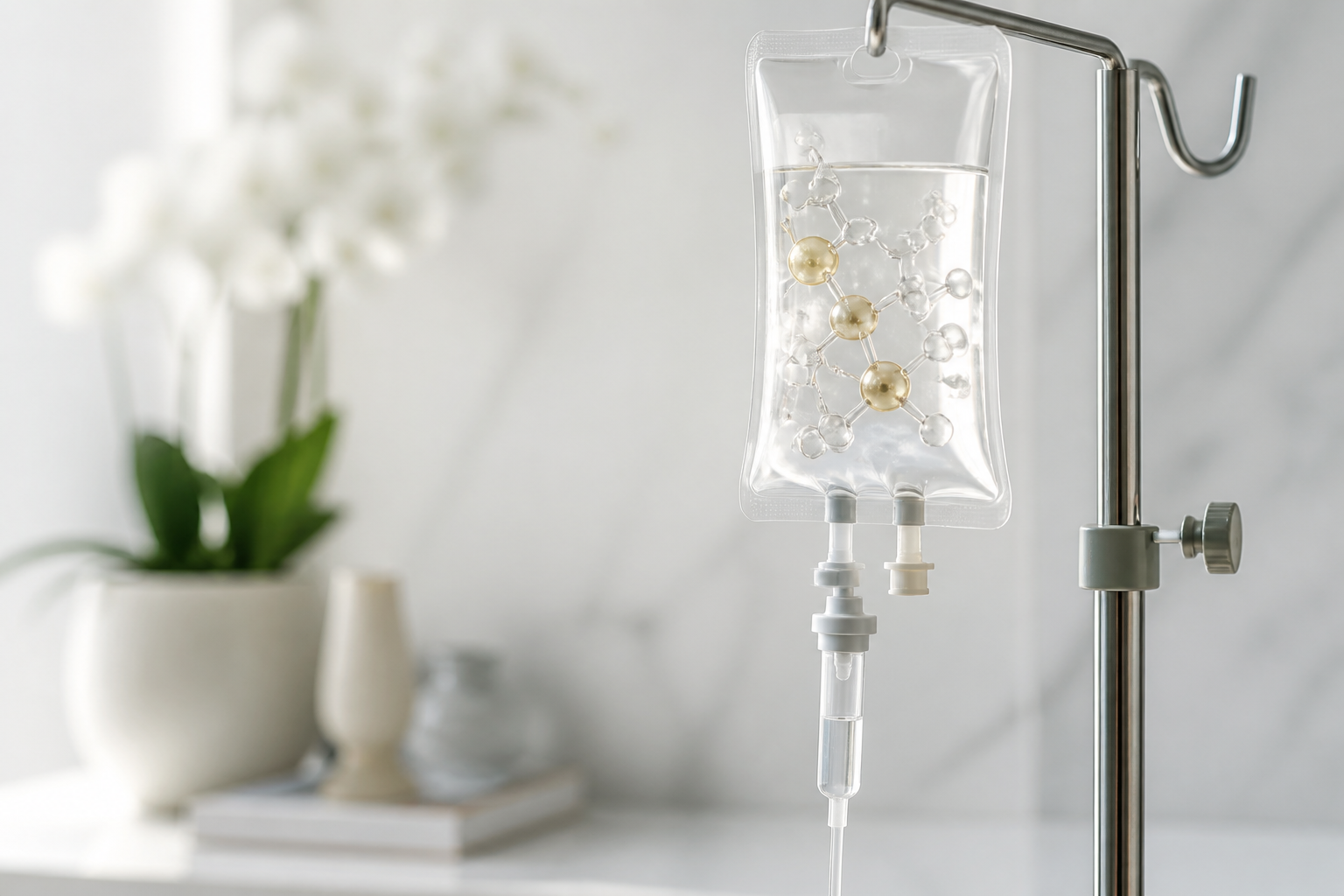
glutathione drip for glow: what it is, what to ask, and how to decide
If you have searched for a “glutathione drip for glow,” you are likely weighing whether an intravenous (IV) antioxidant infusion could support a brighter-looking complexion or overall wellness. This article explains what glutathione is, how IV administration works, what to consider about potential benefits and limits, important safety checkpoints, and practical questions to ask so you can make an informed, personalized decision.
What is glutathione and how do drips work?
Glutathione is an antioxidant produced naturally by the body. It participates in cellular processes that help maintain redox balance and supports normal detoxification pathways. Interest in a “glutathione drip for glow” comes from the idea that delivering this antioxidant directly into the bloodstream via IV bypasses digestion and yields predictable circulating levels compared with oral routes.
In a typical wellness setting, a clinician inserts a small IV catheter into a vein, then administers a saline solution and the chosen nutrients. Glutathione may be given as a slow IV push or added to a drip bag, sometimes alongside other water‑soluble vitamins. Session structures vary by provider, but most include a brief health check, sterile preparation, insertion, monitoring, and removal of the catheter afterward.
Key points about IV versus other routes:
- IV administration delivers ingredients directly to circulation, avoiding variable absorption in the gut.
- Oral intake and topical skincare may still be useful for some goals; they simply work through different mechanisms.
- Because IV therapy involves venous access, proper screening and trained clinical oversight are essential.
Potential benefits and limitations
People explore glutathione for a range of wellness goals, including seeking a brighter or more even-looking complexion. As with many wellness interventions, responses vary, and evidence quality differs by outcome. It is important to set realistic expectations and view any IV therapy as one piece of a broader routine that includes consistent skincare, sun protection, sleep, nutrition, and hydration.
Consider the following when assessing potential benefits:
- Antioxidant support: Glutathione functions as an intracellular antioxidant. Some individuals are interested in this role for general wellness. However, a “glow” is a subjective cosmetic outcome and can be influenced by many non-IV factors.
- Complexion goals: Discussions around skin brightening and tone evenness are common. High‑quality clinical evidence for cosmetic outcomes can be limited and mixed. If your primary goal is a specific skin concern, a qualified dermatologist can help you evaluate targeted treatments.
- Combination approaches: Some wellness providers pair glutathione with other water‑soluble nutrients. Whether a combination is appropriate depends on your health history and goals; your clinician can review options and rationale.
Limitations to keep in mind:
- No guaranteed results: Cosmetic responses differ widely. A drip should not be expected to replace daily skincare, UV protection, or treatments prescribed by a medical professional.
- Not a disease treatment: Wellness IVs are not intended to diagnose, treat, cure, or prevent medical conditions. If you have a health concern, seek evaluation from a qualified healthcare professional.
- Consistency may matter: If you notice changes, they may be gradual and depend on multiple lifestyle inputs. Discuss realistic timelines and endpoints with a clinician.
Safety, screening, and risks
Because IV therapy involves venous access and direct bloodstream delivery, safety considerations are central. A thorough pre‑session screening should confirm your goals, current symptoms, medical history, medications, allergies, and recent lab or diagnostic information if relevant. A qualified professional should explain the ingredients, doses, and potential risks so you can provide informed consent.
Common, generally minor risks can include:
- Temporary discomfort at the insertion site, redness, or bruising
- Mild lightheadedness or chill during or after the drip
- Vein irritation if the infusion rate is too fast
Less common but more serious risks can include infection at the insertion site, phlebitis, infiltration, allergic reactions, or complications related to underlying medical conditions. Immediate access to appropriate clinical support and clear aftercare guidance help manage risk responsibly.
Who should review extra carefully or avoid without medical guidance:
- Individuals who are pregnant or breastfeeding
- People with known allergies to any proposed ingredient
- Those with chronic kidney, liver, or hematologic conditions, or who take medications with potential redox or metabolic interactions
- Anyone recently ill, febrile, or experiencing unexplained symptoms
Regulatory and medical disclaimer: Information here is educational and not a substitute for personalized medical advice. For decisions involving your health, speak with a licensed healthcare professional who can assess your individual situation.
What to expect during an IV session
While each provider has its own protocols, most sessions follow a similar flow:
- Intake and consent: You review your goals, health history, current medications, and allergies. The clinician explains ingredients, doses, and risks, and answers questions before you sign consent.
- Vitals and setup: Basic vitals may be taken. The clinician applies antiseptic, places a small IV catheter, and secures it with sterile dressings.
- Infusion: The drip runs via gravity or a controlled pump. Glutathione may be administered slowly to reduce vein irritation. You can usually sit comfortably, read, or listen to music during the session.
- Monitoring: The clinician observes the site and checks in on how you feel. Let them know immediately if you notice burning, pain, dizziness, or nausea.
- Wrap‑up and aftercare: The catheter is removed, the site is dressed, and you receive guidance on hydration, activity, and what symptoms should prompt a follow‑up call.
Time on the chair varies with the formulation and rate. Ask how long to plan door‑to‑door so you can schedule accordingly.
How to prepare and aftercare
A few simple steps can make sessions more comfortable and recovery smoother:
- Eat a light meal or snack beforehand unless your clinician advises otherwise.
- Hydrate well in the hours leading up to the appointment.
- Wear clothing with easy sleeve access and a comfortable position for the arm.
- Have a relaxed activity planned for the next couple of hours in case you feel temporarily fatigued.
Aftercare tips:
- Keep the bandage on for the suggested period; monitor the site for increasing redness, swelling, warmth, or pain.
- Continue hydrating with water unless directed otherwise.
- Avoid heavy lifting or strenuous exercise with the infused arm for the rest of the day if the site is tender.
- Maintain your daily skincare routine and sun protection; these foundational habits strongly influence how “glow” appears in real life.
If you develop concerning symptoms (such as fever, significant swelling, shortness of breath, or a widespread rash), seek prompt medical attention.
Alternatives and complements to consider
A “glutathione drip for glow” is only one approach within a broader toolkit. Depending on your goals, you might also evaluate:
- Topical skincare: Broad‑spectrum sunscreen, gentle exfoliants, and serums containing ingredients such as vitamin C or niacinamide are common components of glow‑focused routines. A dermatologist can tailor actives to your skin type and concerns.
- Lifestyle foundations: Consistent sleep, hydration, balanced nutrition, and stress management influence how skin looks and feels.
- Oral routes: Some people explore oral antioxidants. Absorption and effect profiles differ from IV; review with a healthcare professional for suitability and potential interactions.
- Professional skin care services: For targeted concerns such as hyperpigmentation, texture, or breakouts, consult qualified practitioners who can discuss evidence‑based options.
Questions to ask before booking
Use this checklist to guide conversations and compare providers transparently:
- Credentials and setting: Who will place and monitor the IV? What training do they have? What infection‑control and sterile‑technique standards are followed?
- Screening: What health history, medications, and allergies do you need to disclose? Will vitals be checked?
- Ingredients and dosing: What exactly is in the drip, how much, and why? How is the rate determined to reduce vein irritation?
- Evidence and expectations: What outcomes are realistic for your goals? On what timeline should you evaluate whether it is worthwhile for you personally?
- Safety plan: How are adverse reactions handled on site and after you leave? Who do you contact with concerns?
- Interactions and contraindications: Are there reasons you should avoid glutathione or combine it cautiously with other therapies you use?
- Logistics: How long will the session take end‑to‑end? What preparation and aftercare are recommended for your situation?
- Cost and policies: What are the total costs and what is included? What is the cancellation or rescheduling policy?
FAQs
Does a glutathione drip make skin lighter?
Some people pursue glutathione for complexion goals such as a brighter or more even appearance. Research on cosmetic outcomes varies in quality and results, and responses differ from person to person. If lightening or pigment concerns are your main goal, consult a qualified dermatologist to discuss targeted, evidence‑based options and whether glutathione belongs in your plan.
How long do results last if I notice a “glow”?
Any perceived glow is subjective and can be influenced by hydration status, sleep, skincare, lighting, and overall health. If you do notice changes, they may be temporary and best maintained by foundational habits like daily sun protection, consistent skincare, adequate fluids, and sleep. A clinician can help you determine appropriate intervals if you decide to repeat sessions.
How often can you get a glutathione drip?
Frequency depends on your health status, goals, the specific doses used, and how you respond. There is no one‑size‑fits‑all schedule. Review potential benefits, risks, and monitoring with a qualified professional who can personalize a plan and adjust it over time.
Who should not get a glutathione drip?
Anyone with a known allergy to an ingredient should avoid it. Extra caution is warranted if you are pregnant or breastfeeding, have chronic kidney or liver conditions, or take medications with potential interactions. Always consult a licensed healthcare professional for individualized guidance.